
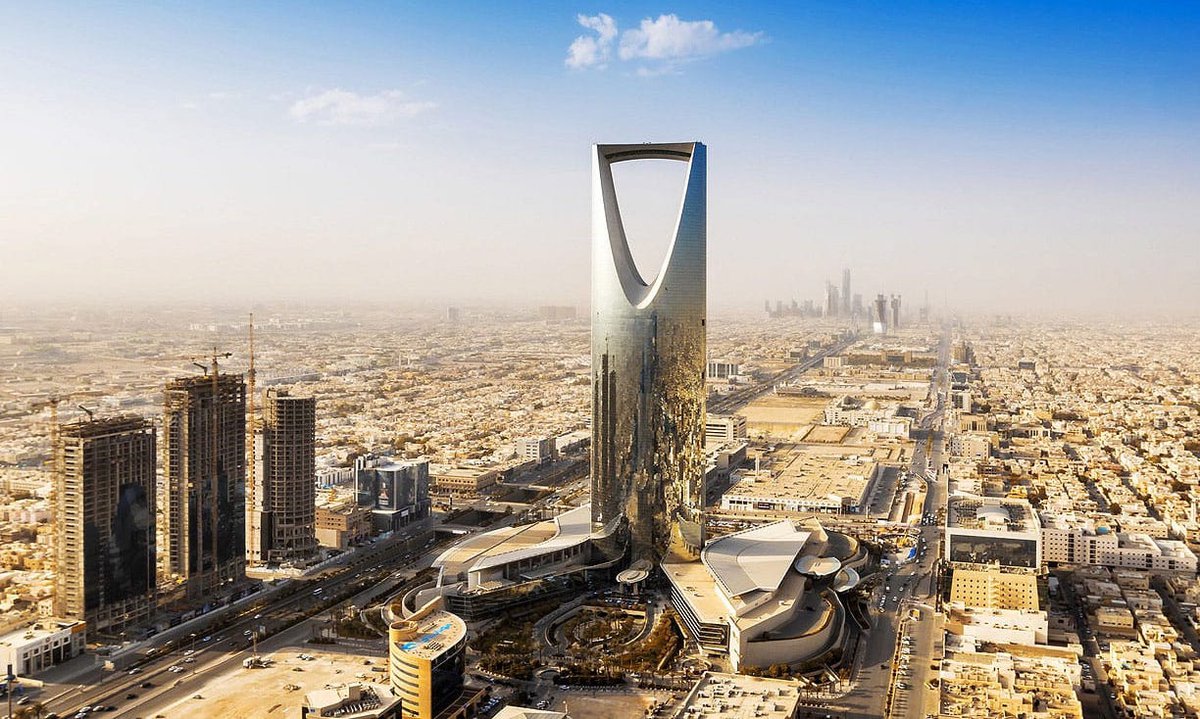
The updated system for non-Saudis to own real estate and acquire real rights over it within the Kingdom will be implemented starting from the beginning of 2026. Saudi Minister of Municipalities and Housing, Majid Al-Hogail, confirmed in an interview with Al-Arabiya Business that next month will witness the implementation of the property ownership system for foreigners at the residential level in all Saudi cities except for 4 cities, including Mecca, Medina, Jeddah and Riyadh. There will be areas where ownership will be allowed for foreigners from outside the Kingdom, while residents have the right to own a residential unit. advertisement The minister explained that, with regard to the commercial, industrial and agricultural sectors, ownership will be open to foreigners in all cities of the Kingdom without exception. Saudi Arabia reveals mechanisms for implementing the system of expropriating real estate for public interest Real estate markets Saudi Arabia Real Estate Saudi Arabia reveals mechanisms for implementing the system of expropriating real estate for public interest The minister stated that the housing and municipalities sector is a key pillar of Vision 2030, predicting that the percentage of Saudis owning their homes will reach 66% by the end of the year and exceed the targets for 2025. Legal controls The system for non-Saudi ownership of real estate aims to regulate real estate ownership by non-Saudis, individuals and entities, within a specific geographical area and with clear legal controls, with special and specific exceptions. According to the regulations, non-Saudis are permitted to own real estate or acquire real rights to it within the Kingdom, in the geographical area designated by the Council of Ministers, based on a proposal from the Board of Directors of the General Authority for Real Estate and the approval of the Council of Economic and Development Affairs. This includes specifying the types of real rights that can be acquired, the maximum ownership percentages, and the related regulations. Own one property The system also allows a non-Saudi resident with a natural status to own one property designated for housing, outside the specified geographical area, with the exception of the cities of Mecca and Medina, and it is required that the person be a Muslim if the ownership is within these two cities. According to the regulations, companies not listed on the Saudi Stock Exchange and with non-Saudi ownership are granted the right to own property within the specified geographical area, including Mecca and Medina, provided they are established under the Saudi Companies Law. They may also own property outside this area for business operations or employee housing, as defined by the regulations. Listed companies own The system also allows companies listed on the financial market, investment funds, and special purpose entities to own property throughout the Kingdom, including Makkah and Madinah, in accordance with regulations issued by the Capital Market Authority in coordination with the General Authority for Real Estate and other relevant authorities. The system emphasized that its application does not affect the rights granted in other systems such as the Premium Residency System or the GCC agreements, and that non-Saudi ownership does not entail any additional privileges beyond the legal rights. The system stipulated the possibility for diplomatic missions and international bodies to own official headquarters and residences of presidents, provided that they obtain the approval of the Ministry of Foreign Affairs, and on the basis of the principle of reciprocity. The regulations require non-Saudi entities, including companies and non-profit organizations, to register with the relevant authorities before acquiring ownership. Ownership is not legally valid until it is registered in the real estate registry. Imposing a fee not exceeding 5% The regulations also stipulate a fee not exceeding 5% of the value of real estate transactions by non-Saudis, with details to be specified in the implementing regulations. Violators face penalties including fines or warnings, while those who provide misleading information are subject to a fine of up to 10 million riyals, with the possibility of the sale of the property in violation by order of the competent court.

Demand for furnished rentals—short to medium-term—has been rising across several Saudi cities, supported by labor-market expansion and higher workforce mobility, particularly among young professionals...
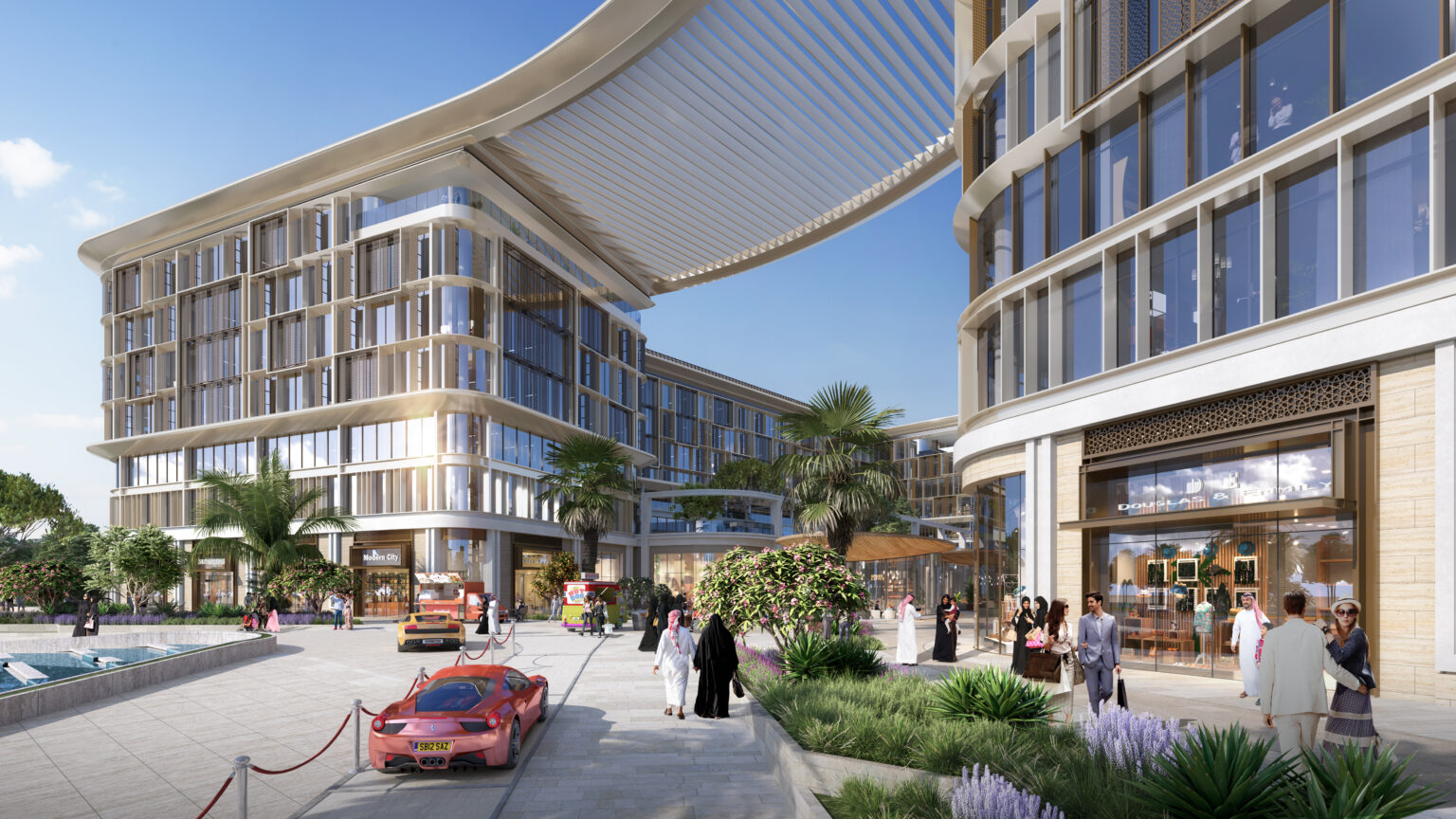
Saudi Arabia’s real estate market is increasingly embracing mixed-use communities—projects that integrate residential, retail, office, services, and leisure within a single master-planned destination....

Industrial real estate in Saudi Arabia continues to expand as supply chains grow and e-commerce accelerates nationwide. This has fueled demand for modern warehouses and logistics centers, particularly...
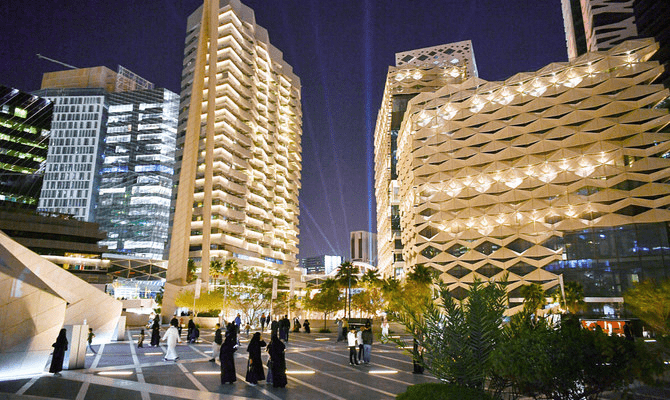
Saudi Arabia’s hospitality sector has seen substantial growth over the past two years, driven by an increase in domestic tourism and a surge in cultural, entertainment, and sporting events. This trend...

Secondary cities across Saudi Arabia — including Abha, Qassim, and Tabuk — are experiencing a notable surge in demand for mid-income housing. This shift reflects broader demographic changes, with more...

In line with the earlier directive issued by His Royal Highness Prince Mohammed bin Salman bin Abdulaziz Al Saud, Crown Prince and Prime Minister, a new set of regulatory actions aimed at stabilizing...

The General Real Estate Authority announced that the new regulatory framework governing property ownership for non-Saudi nationals has officially come into effect as of Thursday, 22 January 2026 (3 Sh...
Demand for furnished rentals—short to medium-term—has been rising across several Saudi cities, supported by labor-market expansion and higher workforce mobility, particularly among young professionals...
each ($another_news as $another_new)
Saudi Arabia’s real estate market is increasingly embracing mixed-use communities—projects that integrate residential, retail, office, services, and leisure within a single master-planned destination....
each ($another_news as $another_new)
Industrial real estate in Saudi Arabia continues to expand as supply chains grow and e-commerce accelerates nationwide. This has fueled demand for modern warehouses and logistics centers, particularly...
each ($another_news as $another_new)
Saudi Arabia’s hospitality sector has seen substantial growth over the past two years, driven by an increase in domestic tourism and a surge in cultural, entertainment, and sporting events. This trend...
each ($another_news as $another_new)
Secondary cities across Saudi Arabia — including Abha, Qassim, and Tabuk — are experiencing a notable surge in demand for mid-income housing. This shift reflects broader demographic changes, with more...
each ($another_news as $another_new)
In line with the earlier directive issued by His Royal Highness Prince Mohammed bin Salman bin Abdulaziz Al Saud, Crown Prince and Prime Minister, a new set of regulatory actions aimed at stabilizing...
each ($another_news as $another_new)
The General Real Estate Authority announced that the new regulatory framework governing property ownership for non-Saudi nationals has officially come into effect as of Thursday, 22 January 2026 (3 Sh...
التعليقات